Introduction
I used to view nutrition very simply for a long period. My assumption was that a good diet was mainly about keeping one physically healthy– having sufficient energy, being in good shape, and avoiding diseases. It did not cross my mind that nutrition does not only affect the body but also has deep effects on the mind like many individuals.
I used to focus more on ease over quality most of the times. Convenience foods, quick processed meals, and irregular feeding schedule were part of my usual routine. Back then, I was not aware of the long-term consequences of it. But over time, I started feeling tired most of the times, not focused, and at some point emotionally low with no apparent reasons behind it.
It was my realization that food is not just the source of energy– rather information to the body and brain. The nutrients consumed have an impact on our way of thinking, feelings and performance. Once I started observing the types of food I consumed and its effects on my emotions and energy levels, I see evident connections. I realized that there were particular kinds of food that gave me high energy and concentration while others resulted in tiredness or lack of focus. Understanding this relationship made me look at myself differently. Nutrition became beyond just a health practice– it became an effective tool to enhance one’s thinking power, emotional stability, and general state of being well.
Table of Contents
Understanding the Connection Between Nutrition and the Brain
One of the most important realizations I made was that our brain depends very much on the nutrients we eat. Our brain is always working hard – even when we’re resting – and it needs a continuous flow of energy and essential nutrients in order to work well. When I started reading up on this topic, I began to see that my food choices were actually affecting my power of thought, my concentration, and my motivation throughout the day quite directly.
Foods that have lots of vitamins, minerals, healthy fats, and proteins help with our brain function very much indeed by keeping neural communication pathways intact and helping us avoid mental decline. On the other hand, very processed foods rarely contain all those essential nutrients – which can result in energy level fluctuations. I saw that whenever I ate well-balanced meals, my thinking seemed clearer and much more ordered. This connection helped me be far more thoughtful about picking out foods that support mental clarity and enhance our cognitive abilities much better.
Another idea that really shook my way of looking at things was considering food as a special fuel – one that’s designed for peak brain performance. Much like a car needs a certain kind of fuel so it runs smoothly our brain relies upon very specific nutrients to operate at its absolute best. When I ate mainly processed or very low-nutrient foods I would often notice that my thinking seemed slower or less focused. It wasn’t always right away, though – but over time the difference became evident itself.
When I started adding in a lot of foods high in omega-3 fatty acids, vitamins, and antioxidants, I noticed some very subtle yet extremely important improvements in how I processed information. My attention span grew bigger, and I found it much easier to keep my mind involved in tasks that demanded a great deal of deep thinking. This helped me understand that what we eat doesn’t just affect our body physically – it shapes just how successfully we can think, learn, and figure out solutions to our problems.

Nutrition and Energy Levels Throughout the Day
Energy levels are really one of the most noticeable results of our diets. There have been times when I quite often relied very much on sugary snacks or caffeine to make it through the day. Although these did give me some temporary increases, they were often followed by significant energy crashes – which made it rather hard to remain productive all day long.
Once I really started concentrating more on the well-balanced meals I could see a big difference in my energy stability. Foods that contain the mix of a complex carbs, proteins and healthy fats actually give you a much more consistent source of the energy. Rather than experiencing super sharp spikes and drops my energy levels actually became a lot more even throughout the day. This steadiness made it a lot easier to stay focused and finish tasks without feeling completely exhausted halfway through.
One pattern I became even more aware of was just how certain foods really caused extremely rapid spikes in my energy – followed closely by very noticeable crashes. Sugary snacks or very refined carbs usually gave me a fairly quick increase, though that increase didn’t really last long. Over a pretty short time, I’d feel much more tired than before – which made it even harder to remain productive all day long.
Learning to avoid these spikes and crashes really changed the whole way I approached my meals. I started selecting foods that release their energy much more slowly, helping me hold onto consistent concentration throughout the day. This consistency actually reduced my need for constant snacking or my reliance on caffeine quite a bit. In time, my productivity got a lot better since my energy levels remained pretty steady instead of fluctuating extremely all day long.
The Impact of Nutrition on Mood and Emotions
The impact of nutrition on our mood was something that really took me by surprise – it wasn’t something I’d ever considered too closely before. Yet, as time went on, I started noticing that the food I was putting into my body had quite an effect on my emotional state – though it was very subtle yet highly significant.
Nutrient-dense foods help produce neurotransmitters like serotonin and dopamine, which determine both our mood and our emotional stability. Whenever I ate very well indeed I experienced far more inner calmness and a generally much better mood. Conversely, consuming very little of the essential nutrients all too often left me mentally exhausted or extremely irritable. Recognizing this for myself really drove home the fact that our overall sense of emotional well-being isn’t just determined by external factors – it’s also extremely linked to what we eat every day.
One area I didn’t anticipate affecting my mood so strongly was actually my gut health. Learning much more about nutrition led me to discover that the gut and the brain are fantastically connected. Our digestive system’s overall health can greatly affect our mood, our stress levels, and even our concentration and focus itself.
When I started focusing even more on the types of foods that will really support my gut health – such as foods containing plenty of fiber and much more balanced meals – I saw some real improvements in my emotional state. My moods were generally far more stable, and I just felt less reactive to all the stresses of everyday life. Understanding this link really helped me realize that our emotional well-being is not merely psychological – it’s actually very physical. By taking much better care of my body through proper nutrition, I started creating a much more balanced emotional state all around.

Building Healthy Eating Habits
Changing our eating habits cannot happen overnight. When I finally decided to improve my nutrition I felt really overwhelmed by the thought of making quite so many changes. However over time, I found out that building healthy habits very slowly indeed is much more effective – rather than trying to make lots of changes all at once.
I started off by making some little adjustments – adding a bit more whole food to each meal, drinking loads more water, and paying more attention to my portions. These small steps gradually just became part of my every day routine. By concentrating on making things consistent rather than perfect, I managed to create pretty sustainable habits which really looked after my body as well as my mind’s health too.
Creating those long-lasting nutritional habits really required a lot of patience. Initially, I was expecting quick results – but I soon realized that meaningful changes take a long time indeed. Instead of constantly focusing on some sort of immediate transformation, I started focusing more on being consistent all the time. Small improvements performed daily eventually produced some pretty noticeable results indeed.
One technique that actually worked quite well for me was planning out my meals in advance. This significantly lessened the possibility of making those not so healthy choices whenever I was extremely busy or feeling very tired. Over time these habits just became second nature. Rather than constantly wondering what to eat, I established a regular routine that naturally supported healthier options. This actually made nutrition a lot simpler to maintain as part of my everyday life.
The Role of Hydration in Mental and Physical Performance
Hydration is so often overlooked – yet it truly plays a significant part in our overall wellness. I used to underestimate just how much water intake really affected my energy and focus level itself. Even quite mild dehydration may result in fatigue, some trouble concentrating and a decrease in physical performance.
When I actually made an effort to drink water all day long, I saw quite rapid improvements straight away. My energy levels were far more stable, and my capacity to concentrate greatly improved itself. Drinking plenty of water might appear very straightforward indeed – however it holds a rather powerful influence over both your mental acuity and your actual physical performance itself.
Hydration truly became even more important once I discovered how closely it affects cognitive performance itself. When I hadn’t drunk enough water, I noticed rather slight changes in my concentration level and mental acuity. Tasks which really needed attention became more difficult to complete, and I sensed mentally exhausted myself quite more quickly.
By placing hydration right at the top of my priorities list, I experienced rather noticeable improvements in being alert and my productive output. Drinking water quite regularly every day became one of the easiest yet surprisingly most effective habits for supporting both my physical and mental performance. It showed me that even such basic habits can hold a rather powerful effect indeed when performed quite consistently itself.
Nutrition as a Tool for Long-Term Health
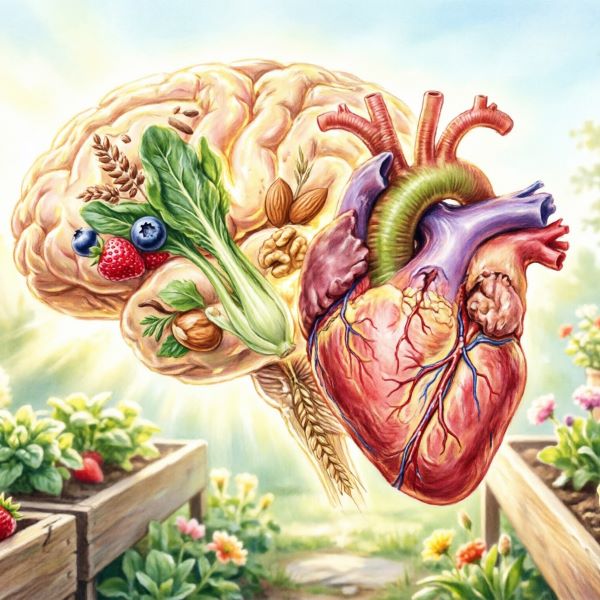
Beyond daily energy and concentration, your diet really does play a key part in your long-term health. All that we consume day in and day out quite directly affects our chance of developing all sorts of health issues. This awareness really made me ponder our nutrition – not only for the present time, but rather as an investment in what’s to come.
By making a point to eat more nutrient-dense foods and creating a more balanced approach to eating, I actually started to support my body’s long-term health quite a bit better. This view of things truly helped make healthy eating seem less like some sort of short-term chore – and much more like an ongoing commitment to doing what’s best for myself.
Nutrition has also taught me a very significant lesson regarding self-control. Making those consistent, healthier choices really requires careful planning, awareness, and dedication. It’s so easy to pick convenience in the moment – yet long-term well-being really counts on the decisions that we make again and again over time itself.
Avoiding Extremes and Finding Balance
I really learned the significance of balance early on – one of the most important lessons I could have got! Sometimes at first, I approached my nutrition with an all-or-nothing mindset. I actually thought I had to follow really strict rules – or even get rid of certain foods completely – if I wanted to be healthy. This approach quite often resulted in frustration – and inconsistency too.
Over time, though, I saw that sustainable nutrition’s all about finding a balance – not being perfect. By allowing myself some wiggle room yet still holding onto fairly healthy habits it became much easier to stick with them. Rather than concentrating on what I had to cut it out, I started focusing on making a better choices most days. This more balanced approach made eating healthily so much more enjoyable – and quite a bit more realistic too.
One of the biggest changes in my mindset I made was taking away feelings of guilt when it came to food. At the start, I sometimes looked at certain foods as “good” or “bad”, creating quite a bit of extra pressure – and frustration too. This mindset quite often made it harder for me to keep going consistently.

Creating a Lifestyle Around Healthy Nutrition
Nutrition isn’t just about every meal – it’s truly about establishing your day-to-day habits. I started incorporating a healthier diet into my daily plan of action in ways that really felt natural and sustained over time. Meal planning, prepping my food, and being quite mindful with my choices really became part of my regular every day.
By looking at nutrition over the long term – a way of life rather than a short-term objective – I was able to keep up consistency. This approach allowed me to experience real improvements in my energy levels, concentration, and all-round well-being all along. Healthy eating habits became essential parts of my self-improvement journey all along.
As time went by, I really started seeing proper nutrition as a very fundamental element of our personal growth. It supports energy, focus, our emotional balance, and our overall well-being. Without a good diet, it gets so much more challenging to keep motivated and really productive in the rest of life’s activities.
Conclusion
Nutrition actually plays a much larger role in our self-improvement process than I had ever imagined. It affects not just our bodily health – although that’s pretty significant itself – but also our brain function, our emotional well-being, and how we perform in all aspects of life. By making aware decisions on what I consume I’ve really improved the level of productivity and feeling of happiness itself.
The healthy diet isn’t really about some super strict rules or achieving perfection. It’s all about consistently making choices that will truly help out your body and mind. By seeing food like a source of energy, a way of gaining clarity, and an aid for growth – I’ve changed my entire outlook on both nutrition and personal growth itself. The smallest alterations – if you practice them consistently – can actually result in very powerful long-term benefits indeed.
When I look back, improving my nutrition has certainly been one of the most significant adjustments I have made in my whole self-improvement journey so far. It has impacted not simply my actual physical health – though that’s very important too – but also my mental acuity, my emotional stability, and basically my entire daily productivity. Something that began as quite a simple attempt to eat better gradually turned into a complete new style of living that really supports every part of my life. By doing lots of little, consistent improvements over time, I’ve really been able to build permanent habits that keep benefiting me every single day.
FAQs
Q1: How quickly will better eating habits boost our energy levels?
A1: We can often spot some improvements within just a few days – particularly when we switch to very balanced meals and stay incredibly hydrated indeed. Long-term persistence really yields much greater results though.
Q2: Must I actually ban all unhealthy food from my diet entirely?
A2: No. A balanced strategy focusing on lots of very healthy habits is far more practical – and thus, more sustainable – than rigidly restricting ourselves from all ‘bad’ foods altogether.
Q3: Can our eating habits really affect mental clarity?
A3: Yes indeed. Our brain literally counts on all sorts of nutrients to work correctly itself – and if we eat poorly, it shows in our ability to concentrate and our overall cognitive performance indeed.
Q4: What’s the simplest method for starting to improve eating habits?
A4: Try to start with some quite small steps like drinking a lot more water, including much more whole foods in our diet and gradually cutting back on a highly processed foods.
Q5: Is our diet even important if I already work out regularly quite often?
A5: Absolutely. Both exercise and what we eat really go hand-in-hand. Without very good eating habits, our body and mind won’t be able to function at its very best, indeed.