Introduction
I spent many years not realizing how disconnected I was from nature itself. The days are so filled up with screens, our agendas, our deadlines, and constant notifications. I wake up inside, work inside, and rest indoors. And even during my short breaks most of which involved either staring at my phone or watching video on-line. I then started feeling mentally exhausted in a way that sleep alone could no longer cure. It was as if my head was overfilled, lacking concentration, and very low on motivation. Initially I thought that is probably part of today’s world life, something each person faces when trying to be productive and having self-improvement.
To my surprise, everything drastically changed upon taking out time to go out into the environment. The easy act of walking through a park, going for trekking along trails, relaxing by waters, or even taking short step outside for fresh air had a powerful positive impact on my disposition and clarity. I didn’t just unwind in nature, but also managed to have reconnection with some deeper balance and perspective.
In time I got to understand reconnecting with nature was not merely hobby but integral component in individual development process. Nature offered room for contemplation, renewed my strength, and told me growth doesn’t depend on non-stop moving around. Sometimes one needs to take slow pace to reconnect ourselves with the world surrounding us.
Table of Contents
Rediscovering the Natural Rhythm of Life
During the time I spent outside I first noted a very distinct difference between the speed of nature and the one in our contemporary world. In my daily program of duties it all seemed so impulsive. Emails demanded quick responses, work loaded up right away and there was always pressure to keep being productive. However, each time I ventured into nature, such urgency would fade. Trees took their time growing, the river kept flowing steadily, and the whole surrounding environment moved with a calmer pace.
Really experiencing this slower pace impacted greatly on my outlook on life. I came to understand the fact that just because some activities in life are not done quickly does not mean they will fail or lack success. Nature did a good job reminding me that most developments require time, persistence, and patience. When I paid attention to those natural rhythm, I carried out the same principle on my objectives and desires. Rather than rushing every phase through, I began to appreciate steady steps made towards progress. The changes made my personal growth process have less stress and be seen as sustainable progress over time.
My stays in open surroundings taught me about patience in an aspect ignored today in fast life. Nature experiences growth happening over an extended period and steadily. It can take trees many years before reaching maturity while rivers take ages of centuries to shape deep valleys. The gradual changes of four seasons passing without haste observed in nature showed me that significant advances don’t happen suddenly. This realization helped me become patient to myself and my goals for personal growth.
Nature as a Reset for the Mind
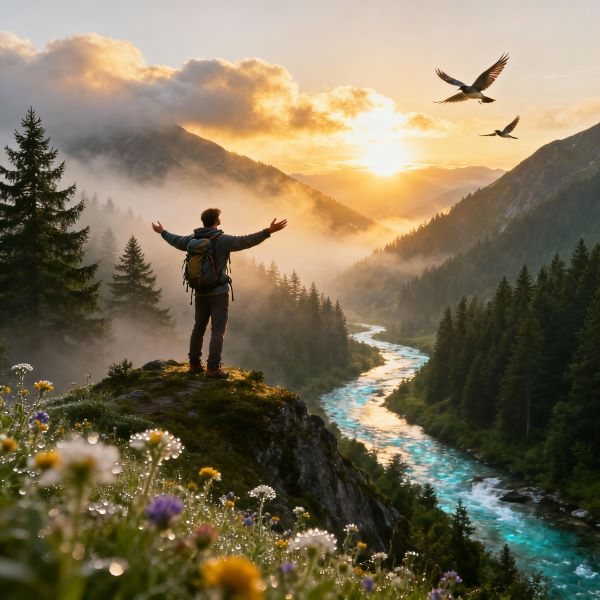
When the mind gets too full of information, I usually struggle thinking clearly. Spending hours focused on tasks, solving problems, or soaking up digital content generates some form of mental tiredness hard to get rid of. It was when I realized nature holds a powerful reset button for this mental overload. Taking a short walk outside can help clear out the mental mess and bring back the focus.
The key behind nature’s effectiveness is its simplicity. The natural setting do not require such high level of concentrated effort like working with technology. Instead, it affects our senses softly- the voice of falling leaves, good fresh air scent or even view of sun shining through tree branches. These activities enable the mind to calm down while staying sharp. After spending time in the open air I come back to my tasks with greater distinctness and energy.
Also very important is spending time in the great outdoors because of ability to disconnect from continuous digital stimulation. Our phones, laptops, as well as the notification create an environment where the mind is continuously consuming new data. It never occurred to me that those nonstop stimulations were what was draining me until I took a break from them.
Strengthening Emotional Well-Being Through Nature
Also, I realized there were further benefits to spending time out in nature; improved emotional state. A natural environment can have such an effect that helps control and reduce one’s levels of stress and anxiety. Peace that is hard to get back after being at home for long hours comes to me while sitting silently in nature. What used to seem very tough or heavy now seems easier once more to tackle them.
On top of this, I believe that nature also helps me feel grateful. Watching beauty in landscapes or seeing sunrises, or even remaining calm within a silent forest brings to mind that there is more beyond what we go through each day. These instances contribute towards emotional equilibrium as well as perspective. My perspective is broadened by being shown not to concentrate on difficulties alone but having an understanding of the overall life canvas.
Nature helped me build up my capacity in handling all emotions effectively. Being in open air puts us exposed to changes in the weather, unpredictable places, and physical challenges. Be it hiking to a steep incline or walking on during slight rain, these minor experiences improve patience and flexibility.
Nature Encourages Physical Movement
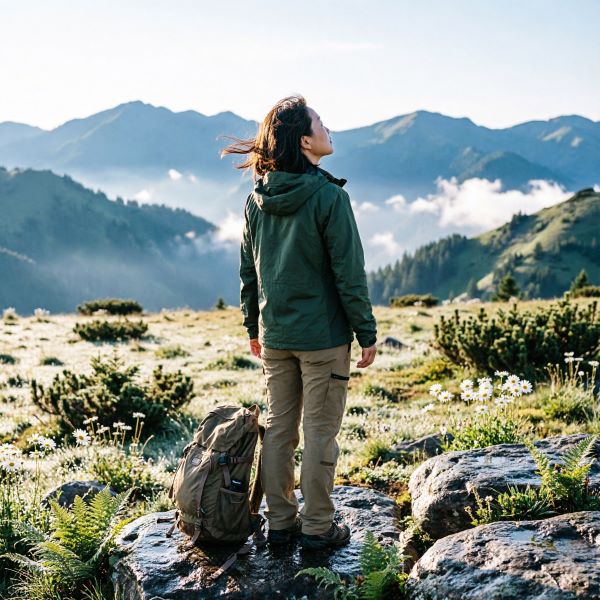
Spending some time outside can encourage individuals to be physically active. It does not matter whether you are going for a small walk, hike, cycling or just doing a tour of the nearby park. There will definitely be need to get up and move around in order to make it through the day. My observation indicates that when some exercises take place in the nature, they do not feel so monotonous and they become very adventurous.
To have both physical and mental health benefits one has to practice this kind of movement on a regular basis. Training leads to production of some endorphins that enhances proper flow of blood and increase in total energy level of man. As such, when the person is under the influence of the fresh environment then the gains are increased. In comparison to compulsory exercising, getting outside provides the connection that physical activity comes along as a part of living naturally.
One additional simple and really effective benefit from spending your time outside is obtaining fresh air. Inside there are confined spaces that have very little air circulation plus we are limited in our movements while indoors and are under certain artificial lighting conditions. Just step outside to get access to fresh oxygen, natural sunlight, and some open place to enliven the body.
What I discovered was that with a short walk out of doors, I experienced better focus and my moods were boosted. The effects of sunlight come into play in regulating our circadian rhythms leading to enhancement in sleep and energy. The fresh atmosphere enables deep respiration which in turn eases down the mind’s tendency towards nervousness. This physical transformation affects both our intellectual acuity and our emotional equilibrium.
Creativity and Inspiration from the Natural World
It is among the most unexpected effects of reconnecting with nature that there is a rise in creativity. Spending some minutes outside makes my mind more receptive and full of imagery. Ideas seem to flow better free and also some problems that looked so difficult at first may have simple answers revealed.
The reason why nature triggers creativity is through revealing to us patterns, colors as well as ever-changing environment. On the contrary with artificial settings remaining constant, nature changes due to different seasons, time, and atmosphere. Witnessing these changes inspires new ways of thinking. Some of my most effective brainstorming sessions took place on quiet walks out.
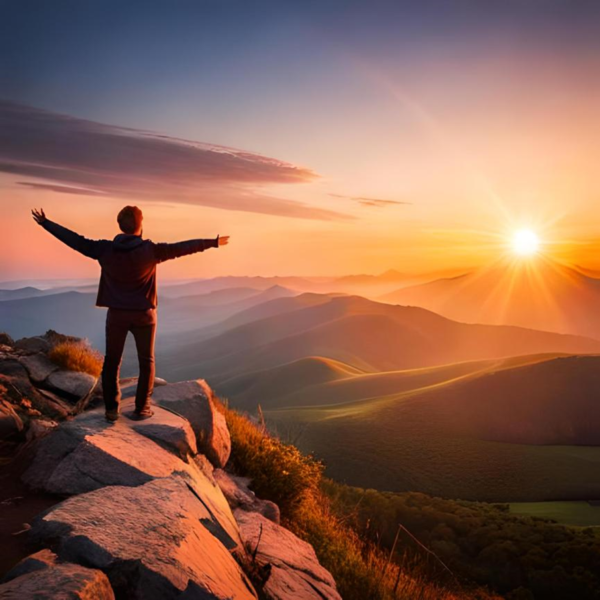
In a very chaotic state of affairs, nature gives perspective. Being on top of mountain trails or walking along seashores or just watching clouds move over sky helps me understand that the world is way greater than what goes on in my daily preoccupation. My biggest fears appear less important compared to looking at things from wider perspective.
Developing Mindfulness in Natural Environments
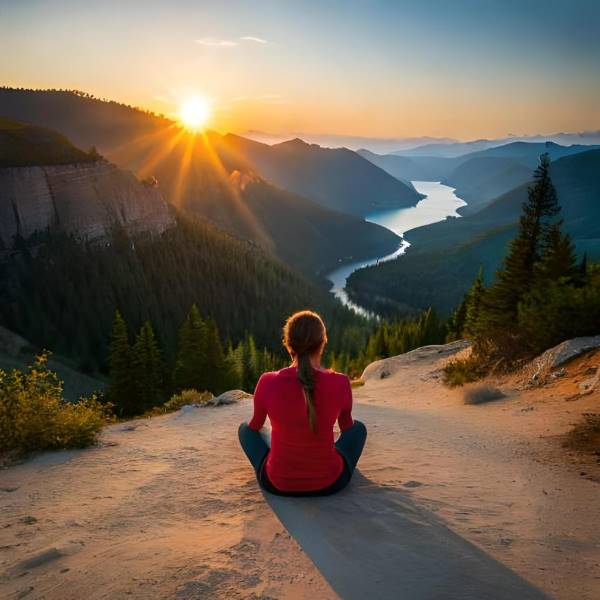
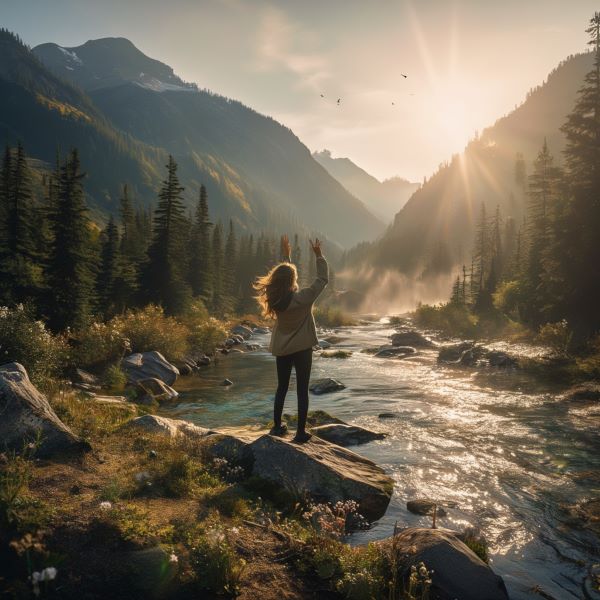
The nature itself encourages one to stay mindful. As I go for a walk in the forest or sit nearby a lake, I pay greater attention to what is around me at that particular time. I see small things– e. g., the feel of rough tree bark under my hands and the sweet song of birds as well as change in light from morning to evening hours. Such consciousness helps calm down the continuous flow of thoughts that usually are present within me.
Practicing mindfulness while in nature has made me develop deeper ties with what is present. My mind no longer runs away to consider tomorrow or dwells on yesterday, but instead concentrates on the events of today. Such shift has resulted in lesser degrees of stress and improved state of being emotionally stable. It took some time to gain experience through these practices outside and finally to apply them in daily basis.
Spend some time in nature can also improve your capacity of mental presence. Surrounding myself by natural environment becomes easy for me to remain focused on what is happening now rather than thinking over my failures of the past or worries for tomorrow’s future. The natural sounds and views steadily keep my attention in this very moment.
Reconnecting with Simplicity
It appears that contemporary existence is complex. With numerous duties, choices and things that capture our attention these days, we find ourselves lost in such chaos. The presence of nature provides me with the reminder that it may be possible to keep things simple. Just taking in a calm, clear sky or the sound of running stream can give us contentment, without needing to do anything complicated.
The influence of this sense of simplicity has been felt in both my objectives and style of living. Lately, I’ve begun emphasizing experiences over continuous progress. My experience of being in touch with nature tells me that completion does not arise from perpetual busyness but in recognizing value in present circumstances.
Also an unseen advantage that occurred after my contact with nature is how much better my relationships turned out to be. In most cases some key conversational moments are experienced through participation in different outdoor events. Interaction such as walking with some friends, hiking with your family members or just visiting any unfamiliar trails together, could lead into stronger ties than with a number of interior activities.
Building a Lifelong Habit of Outdoor Connection
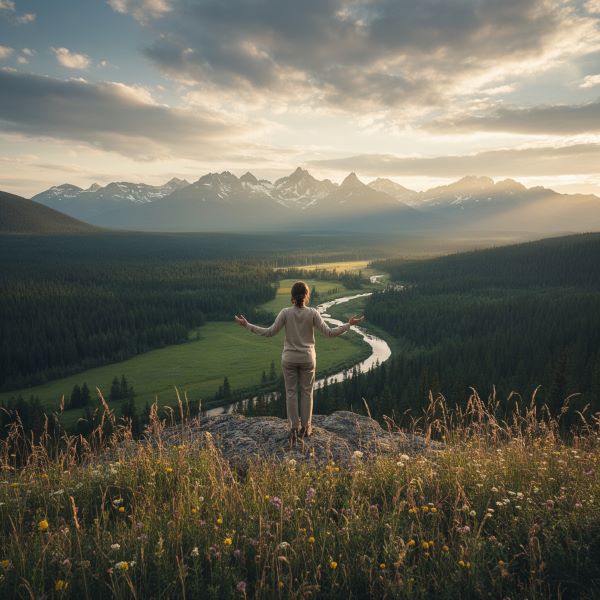
The real change occurred once spending time outdoors turned into a common practice rather than just a rare escape. I began making plans for my outdoor time as deliberately as I would plan out work or exercises. It was about having a morning stroll, going for hikes over weekends or simply staying outside for a couple of minutes. These were some of the essential parts of my schedule.
With constant practice, the benefits became enhanced. Getting in touch with nature deepened my feelings of being balanced and full of energy. Over the years, it didn’t seem like an action but rather an essential element of my way of living. It was easy for me to reconnect with the outdoors since it became one of the most powerful habits contributing to my development.
A very important lesson I got was reconnecting with nature doesn’t necessarily demand those adventurous travel. Although traveling to national parks or mountains has a lot to offer, even brief daily experiences in the fresh air have the potential to make a significant difference to our lives. Getting around the house, sitting at the park while eating lunch or moving to look at the sun setting can also contribute to such value.
What really mattered here is consistency. I built up a habit which promotes clear thinking and inner peace through integration of simple moments of time spent outside with my daily schedule. The minute personal encounters of this kind are able to grow into something very effective in boosting total health and wellness.
Conclusion
My reconnection with the nature has been one of the most powerful developments in my self-development journey so far. It brought home to me that growth is not simply continuous efforts and productivity. At times the most significant progress occurs by retreating into quietness, going out of our doors, and giving our minds and bodies some rest. The natural environment offers us clarity, energy, creativity, and emotional balance; all these elements contribute towards a sustained progress in person development.
During a world that is very disturbing with full of noise and also the separation caused by an ample presence of some form of attraction or several kinds of distraction, nature gives us something really precious that is known as space. This space provides room for one to carry out deep thinking, inner reflection and reconcile with his inner being. Creating opportunities to engage in natural activities is quite instrumental in setting up an environment conducive enough for growth. Drawing from strength provided by natural condition is never an escape but rather one has gotten back connected deeply on meaningful basis.
Looking back, I realize reconnecting with nature was one of the most basic yet truly profound changes I took during my self-improvement process. It made clear to me that growth is not always in need of some intricate methods or excessive effort. Sometimes it begins with such basic act of taking few steps outside, breathe in a cool breeze then let the mind to run at slower pace. The natural environment provides us clarity, point of view and renewal— traits of value that usually become elusive in today’s busy lives of man. Spending time away from house and premises and I found out that there exists strong source of balance and inspiration keeping an impact on my personal progress.
FAQs
Q1: Does spending some time in nature genuinely promote good mental health?
A1: Absolutely! Studies have proven that our natural environments reduce stress hormones; they improve how we feel as well as increase our cognitive functions. Even shorter experiences in the open air can positively influence one’s state of mind.
Q2: But what do you do when you reside in an urbanized area far from nature?
A2: Greenery like urban parks or botanical gardens alongside river banks or tree-lined roads may be there, and it would also offer similar advantages. There is even scope of some little green areas that can assist in resetting the mind.
Q3: How much of my time should I take out for outdoor activities?
A3: Consistency plays the biggest part over the amount of time taken. For instance, having just a 20-30 minutes outside most days of the week can positively impact both moods and concentration levels.
Q4: Which activities help in making a connection with nature?
A4: The following are examples of ways through which an individual can get closer with his or her surrounding environment of flora and fauna. One can walk, hike, cycle around while planting flowers in the garden or sit under a tree to be able to develop such relationship.
Q5: Why exactly is nature beneficial for enhancing creativity as well as concentration?
A5: Natural environment decreases load on our brains thus enabling them to rest away from continuous stimuli which at last help in restoring high concentration as well as stimulating imagination.